
License Plate Recognition Camera System Guide
[yasr_overall_rating]
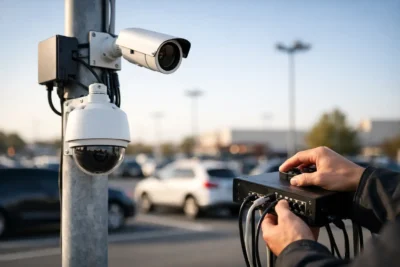
A stolen vehicle pulls into a parking lot for less than two minutes, or an unauthorized car enters a gated property after hours. In both cases, a standard camera may show the scene, but a license plate recognition camera system is built to capture the one detail that often matters most – the plate itself. For property owners, facility managers, and business operators, that difference can decide whether footage is merely visible or actually useful.
What a license plate recognition camera system is meant to do
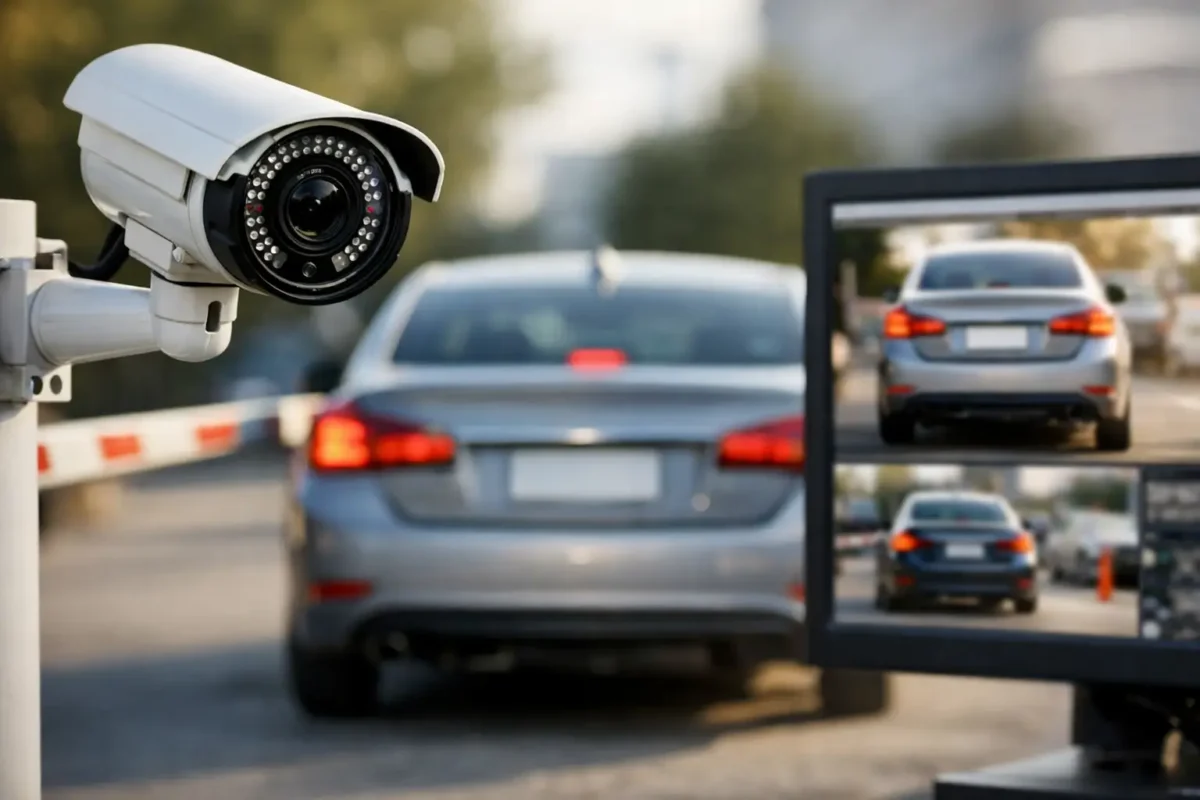
A license plate recognition camera system is designed to capture readable plate images under conditions that defeat general-purpose surveillance cameras. That includes vehicle headlights at night, fast motion, poor angles, and changing outdoor light. The goal is not simply to record cars entering and leaving a property. The goal is to document plate data clearly enough to support investigations, access control, tenant management, parking enforcement, and day-to-day site oversight.
This matters because a wide-angle camera watching an entire lot is solving a different problem. It gives context. An LPR camera is solving for identification. When a customer asks whether one camera can do both jobs, the honest answer is sometimes, but usually not well. If plate capture is the priority, the system should be designed around that requirement first.
Where license plate recognition camera systems make the most sense
The best use cases are locations where vehicles enter, exit, queue, or pause in a predictable path. Parking lots, gated communities, apartment complexes, commercial yards, smoke shops, jewelry stores, construction entrances, and private road access points are common examples. These sites benefit from having a record of who came onto the property and when.
For retail and specialty businesses, the value is often operational as much as security-related. If there is a vehicle tied to repeated theft, loitering, trespassing, or after-hours activity, plate records help build a timeline. For multi-tenant properties and managed facilities, the system can support vendor tracking, incident review, and visitor verification. For construction sites, it can help document subcontractor arrivals and identify unknown vehicles entering the site perimeter.
Residential properties can also benefit, especially larger homes with long drive approaches, gated access, or recurring package theft and nuisance traffic. In those cases, the right setup depends on traffic speed, lighting, and whether the owner wants simple plate evidence or integration with broader access workflows.
How the system gets accurate reads
An LPR system performs well when the camera, lens, lighting, mounting height, and recording settings are all matched to the lane being monitored. This is where many projects go wrong. Buyers assume the camera alone creates the result, when in reality placement and configuration matter just as much as hardware quality.
Camera position and angle
The camera needs a controlled view of the plate area, not a general overview of the whole property. If the angle is too steep or the distance is too great, plate detail drops quickly. Side angles also reduce readability, especially when vehicles move through the scene without slowing down.
Vehicle speed
A plate at a gate moving 5 mph is easier to capture than a vehicle entering from a street at 25 mph. Faster speeds require tighter setup, stronger shutter control, and careful design around the approach lane. This is one reason entrance planning matters before installation begins.
Lighting conditions
Daytime glare, low sun, shadows, rain, and headlights all affect results. Business-grade LPR cameras are built to manage these conditions better than standard cameras, but they still need to be installed correctly. The right infrared behavior, exposure settings, and scene framing can make the difference between a readable plate and a bright white blur.
Recording and network performance
If the recorder, storage, or network is undersized, image quality can suffer even with a strong camera in place. Compression settings, frame rate, and retention policies should support the actual purpose of the system. A plate camera should not be treated like an afterthought on a crowded network.
LPR camera versus standard surveillance camera
A standard camera is useful for showing what happened around a vehicle. It may capture color, direction of travel, occupants, and activity near the car. That is valuable footage. It is just not the same as reliable plate capture.
An LPR camera is purpose-built for a narrow task. It typically covers a tighter field of view and is tuned for plate contrast rather than wide-scene aesthetics. This means the image may look less dramatic in a general sense, but it performs better where evidence matters. In many commercial projects, the right answer is a layered approach: one LPR camera for the lane and one overview camera for the larger scene.
Choosing the right license plate recognition camera system
The best system is based on site conditions, not a one-size-fits-all package. A small parking lot with a single entrance has different requirements than a multi-lane commercial facility or an apartment property with mixed day and night traffic.
Start with the number of entry and exit points. Then look at lane width, expected vehicle speed, lighting conditions, and how long vehicles stay in frame. If you need searchable plate data, software compatibility becomes part of the design. If you only need clear video evidence, the system can be simpler.
There is also a practical decision between standalone capture and integrated security workflows. Some sites want a camera that records plate images for later review. Others want the plate event tied into gates, alarms, remote access, or central monitoring. The more integrated the environment, the more important it becomes to design the system as part of the full infrastructure instead of adding it later.
Installation is where performance is won or lost
A license plate recognition camera system can be expensive to get wrong. If it is mounted too high, aimed too wide, placed against bad lighting, or connected to weak storage infrastructure, the footage may look acceptable until the day a real incident happens. Then the plate is unreadable, and the investment falls short.
Professional planning reduces that risk. That includes evaluating line of sight, mounting surfaces, conduit paths, power, recorder capacity, and network stability before the camera is installed. It also means adjusting the camera on site based on actual vehicle movement instead of relying only on spec sheets.
For West Coast businesses dealing with rain, glare, mixed-use parking, and active vehicle flow, local installation experience matters. A system designed and installed correctly tends to hold up better over time and requires fewer corrective service calls later. That is one reason many customers work with a provider that can supply the hardware, coordinate installation, and support the system after turnover. Tech Security USA is built around that full-service model.
What buyers should ask before moving forward
Before buying, it helps to ask a few direct questions. Do you need plates captured during the day only, or day and night? Are vehicles stopping, slowing, or moving through continuously? Do you need one lane covered or several? Will this system stand alone, or does it need to work with existing cameras, gate control, or remote viewing?
It also helps to clarify what success looks like. Some owners want every plate stored and searchable. Others only need dependable plate images when an incident occurs. Those are different design targets, and aligning them early helps avoid overbuying or underbuilding.
Budget matters too, but it should be viewed in terms of performance, not just hardware count. A cheaper camera installed in the wrong location often costs more in the long run than a properly designed business-grade system backed by support.
Support after installation matters more than most buyers expect
LPR systems are not complicated when deployed correctly, but they are specialized. Over time, sites change. Trees grow into the view, traffic patterns shift, lighting gets modified, or a gate arm is relocated. Any of those changes can affect plate capture quality.
That is why post-installation support has real value. Firmware updates, recorder adjustments, remote troubleshooting, and on-site service can keep the system performing as intended. For commercial users, especially multi-site operators and busy property managers, same-day support and knowledgeable follow-up are not extras. They are part of keeping security operations reliable.
A license plate recognition camera system is at its best when it is treated as a working security tool, not just another line item on a camera quote. If vehicle identification matters at your property, the right design will save time, strengthen incident documentation, and give you clearer answers when something goes wrong. The smart next step is to plan the system around your site conditions now, before you need the footage later.
Posted on GoogleTrustindex verifies that the original source of the review is Google. I visited the Tech Security USA orange to install security cameras for my home. I found it a very professional company, with high quality products that were made me impressed. I recommend it to anyone who are looking a professional security cameras company in onrange city of Orange County CA.Posted on GoogleTrustindex verifies that the original source of the review is Google. “Edit (this review is not “spam” which the owner claims it is and the story is absolutely real however it was about 2 years ago and if I wasn’t shy back then(9th grade) or I wish I had done/said something about my dad and I being taken advantage of as it was a scam (quoted at around $150 but after having to wait 3weeks instead of 3 days for the guy to charge us $300 for a cheap screen that no longer had a haptic button or working Touch ID along with many white pressure dots along the edges). Do not go here. If you look at most of their 5-star reviews, they are older than 7 years. I went here recently to fix my iPad Air (3rd gen). The problem was the screen's backlight wouldn't work, so it would just show a black image. The technician said he could get it done for around $150 and in 2-3 days he would call us (my dad and I). After a week of waiting, we decided to call but to no avail. We went to the place to check up on the work done, if any. We got there and the iPad was in the exact same spot as the day we left it there. The guy told us it would be ready in about 4 days, no later, and that he would call us. We never got the call, so we went back after about another 3 days of waiting for a call (2 weeks now). After waiting, we went back to the store for the iPad, and it appeared to us as if he had just gotten started by breaking the screen to replace it. After another week, we came back and he pulled it out from a drawer saying something along the lines of, "I was about to call you guys." The screen was working, but it was clearly a cheap screen that was ordered online, and the Touch ID didn’t work anymore. The button was replaced with a non-haptic one. There are many white dots along the edges of the screen that look as if someone pressed their thumb down too hard for too long. The guy said with all the "extra" work done to it, the new total would be $300. When my dad and I looked at each other, we knew that wasn’t right, but I watched my dad grab his wallet and pay. I wish I had said something because we were taken advantage of, and after a week, the iPad's screen isn’t functioning properly as it feels unresponsive.Posted on GoogleTrustindex verifies that the original source of the review is Google. Will somebody please tell the owner to stop responding? She’s only validating the bad reviews.Posted on GoogleTrustindex verifies that the original source of the review is Google. Little messy inside but brought an old Moto Z2 Play in to finalize my failed battery self install. Done when promised, phone looked as good as new and works fine. I'm happy.Posted on GoogleTrustindex verifies that the original source of the review is Google. Garbage screen quality do not come here the screen is more different then a regular apple screen they use low quality screens the whole screen shattered and has black lines throughout it after a tiny drop with a screen protector.Posted on GoogleTrustindex verifies that the original source of the review is Google. I needed a battery replacement for my Huawei p10, the engineer fixed it in a few days (he had to order the battery) and it was reasonable priced, very good, thank youPosted on GoogleTrustindex verifies that the original source of the review is Google. Great location and employees. Really came through when I needed help. Recommend this place to anyone.Posted on GoogleTrustindex verifies that the original source of the review is Google. My go to place for any laptop and iPhone repairs. Also very friendly and experienced guy James.
Resent Posts

Can Cameras Identify Shoplifters? What They Can Prove
28 August 2026
How to Monitor Remote Jobsites Without Blind Spots
26 August 2026
Table of Contents